
Lux AI Consultancy & Automation
A structured path from workflow audit to live automation
The process is designed to reduce uncertainty. We define the right workflow, build it with clear controls, test it properly, and keep improving it once it is live.
Delivery flow
Each stage has a clear purpose, a realistic timeframe, and concrete outputs before the next step starts.

Assess
3-5 daysUnderstand the current workflow, identify the bottlenecks, and define the best automation opportunities.
- Workflow mapping
- Tool and data review
- Priority use-case definition
- Automation opportunity shortlist

Design
1-2 weeksTranslate business needs into a practical automation architecture with the right systems and logic.
- Solution architecture
- Tool selection
- Business rules and routing logic
- Implementation plan
Build
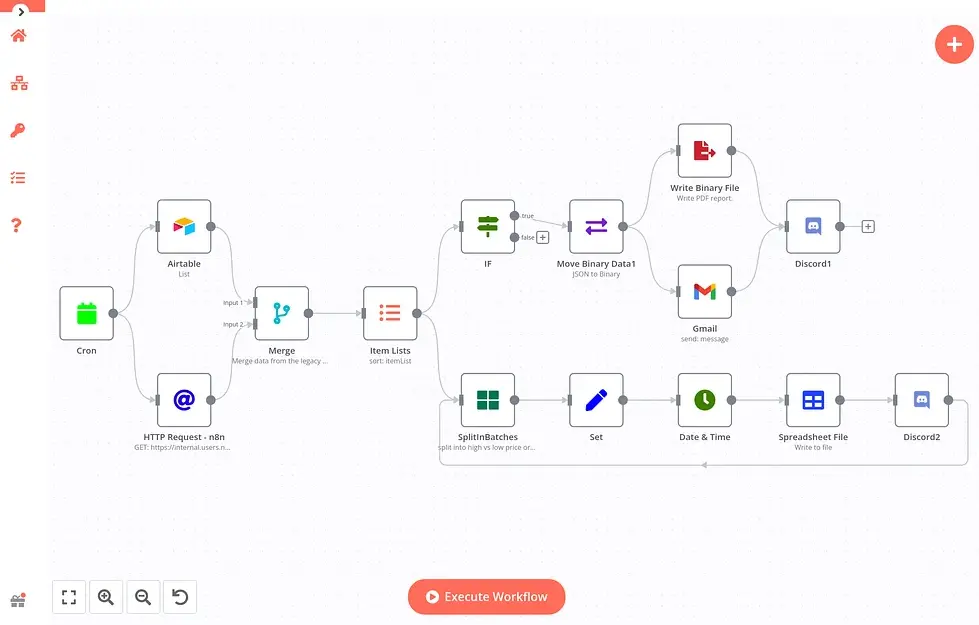
2-6 weeksImplement workflows, configure AI systems, and connect the tools that need to work together.
- Workflow setup
- AI assistant configuration
- API and system integration
- Testing and handover
Optimize
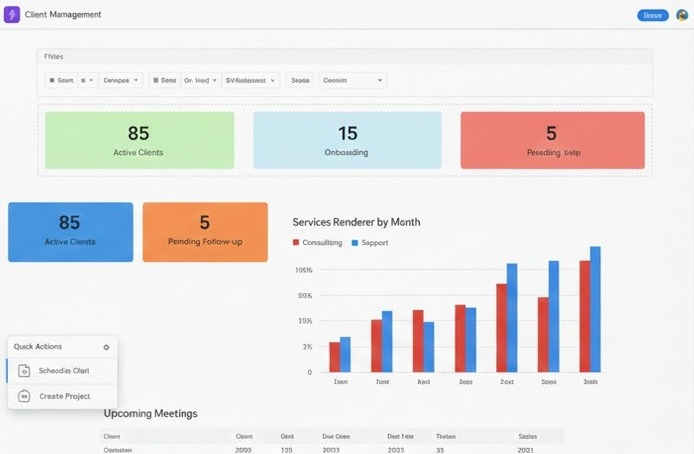
2-4 weeksMeasure performance, refine the flow, and improve business outcomes as the system starts running live.
- Monitoring and feedback
- Workflow refinement
- Response quality improvements
- Operational reporting

Maintain
MonthlySupport ongoing optimization retainers for businesses that need monitoring, improvements, and new automation requests over time.
- Maintenance and support
- New automation requests
- System updates
- Continuous optimization
How delivery stays trustworthy
The system should be safe to operate, not just impressive in a demo. That means testing, monitoring, and clear control points for the team.
Controlled scope
We start with one workflow and define the operating logic before expanding into more systems.
Testing before launch
Rules, routing, edge cases, and notification flows are checked before the live handover.
Monitoring after launch
We review how the workflow behaves in production and refine it based on real usage.
Human control
Teams keep visibility, exception paths, and escalation points where review still matters.
Common questions before you start
Start with the workflow that creates the most value first
Use the free audit to define the right first workflow, then decide what should move into roadmap work or direct implementation.